
Automation That Thinks,
Adapts, and Learns
Traditional automation breaks when inputs change. AI copilots can't execute. ReinforcedX combines the reliability of structured workflows with the intelligence of AI reasoning. Agents that handle variety, adapt to exceptions, and improve with every task. Not rigid scripts. Not experimental demos. Production-ready automation that actually works.
Production-ready automation
that actually works
Everything you need to build, deploy, and improve AI agents at enterprise scale. From fixed flows with AI reasoning to self-learning, these capabilities make agents production-ready.
Fixed flows + AI reasoning together
The best of both worlds. Deterministic steps where you need reliability, AI decisions where you need flexibility. One workflow, both approaches. No more choosing between automation and intelligence.
Handles variety, not just templates
RPA breaks on document #47. ReinforcedX agents handle invoices in any format, emails in any language, processes with any variations. AI understands intent, not just pixel positions.

1500+ integrations, zero middleware
SAP, Oracle, Salesforce, Workday. Pre-built and ready. OAuth configured. Error handling included. Connect to enterprise systems in clicks.
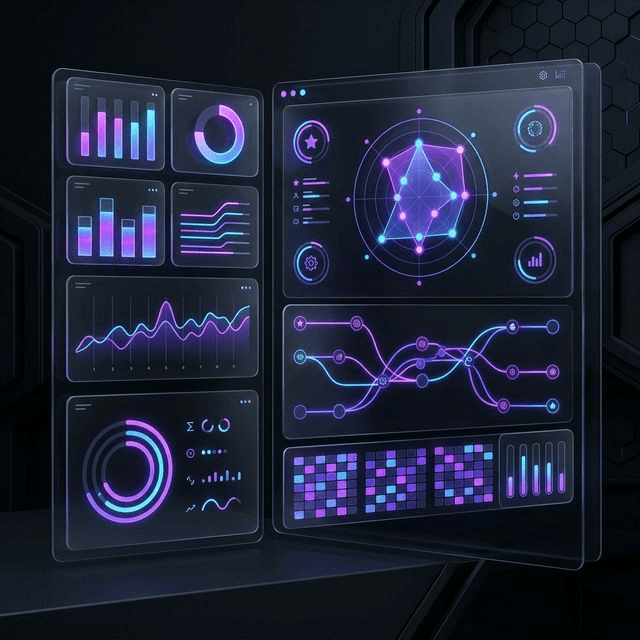
Agents that self-learn from every task
Most platforms let you build agents. We make them improve. Every failure becomes training data. 5% accuracy → 100% in 30 seconds.

Human oversight without bottlenecks
€50k invoice? Customer escalation? Agents do 95% of the work, humans make the final call. Start with full approval, reduce as trust builds. Risk managed, efficiency gained.

Multi-agent orchestration
Complex processes need specialized agents. Invoice processing, compliance checking, customer routing - each agent excels at one thing. Coordinators manage the whole.

Production-ready from day one
Security, compliance, monitoring built-in. Not a demo platform. VW, Porsche, Americana run production workloads. Ship in weeks, not quarters.
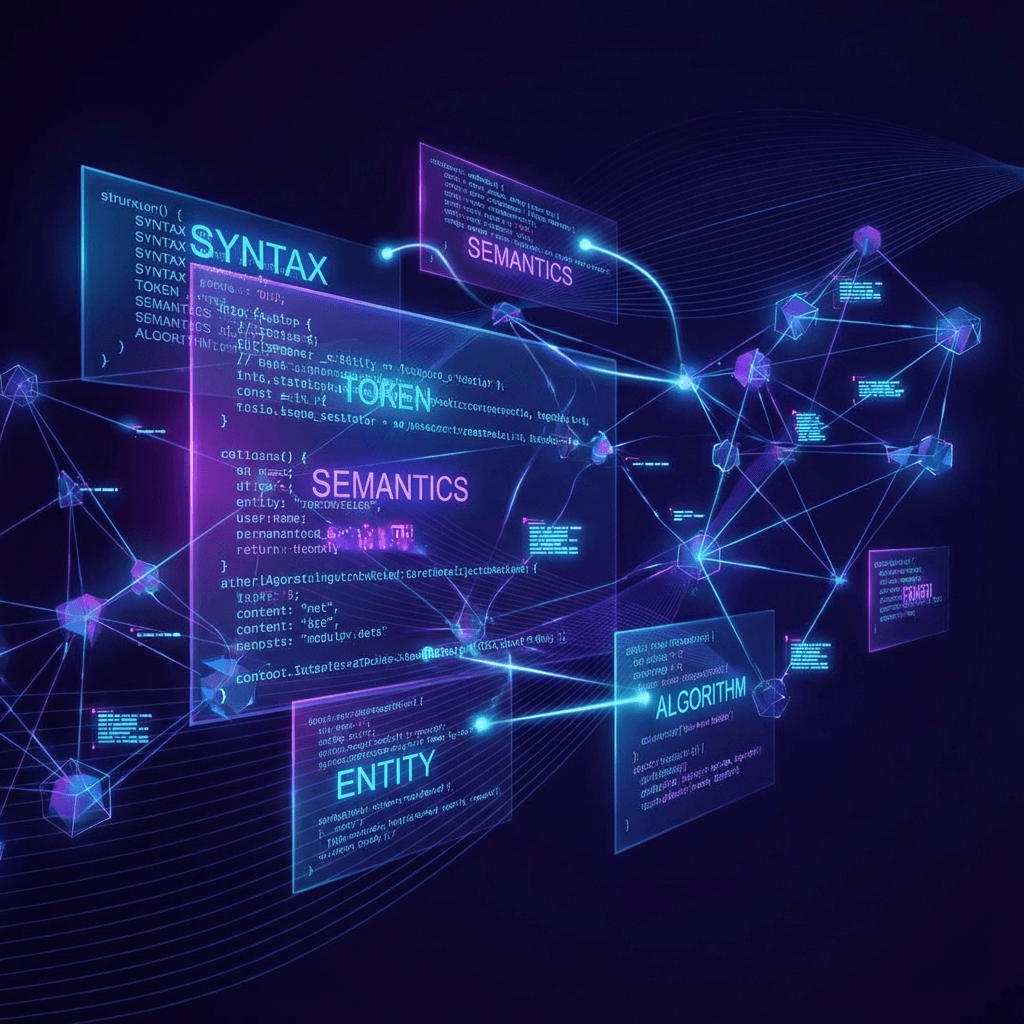
Workflow automation with AI reasoning for best of both worlds
ReinforcedX combines fixed flows with agentic approaches in the same workflow. Deterministic steps execute reliably. API calls, data validation, system updates happen exactly as defined. AI reasoning handles the exceptions. Document understanding, intent classification, complex decisions. You design which steps need which approach. The result is automation that's reliable where you need reliability, intelligent where you need intelligence.
Handles variety at scale beyond template matching
AI agents understand intent and context, not pixel positions. An invoice from Germany in PDF format? Handled. Same invoice as a scanned image? Handled. Same vendor, different layout? Handled. AI extracts the information regardless of format variations. Natural language understanding means agents work with emails in any language, documents in any structure, processes with any variations. One agent handles what would require dozens of RPA scripts.
Enterprise integrations to connect without middleware
1500+ pre-built connectors cover major enterprise systems. SAP, Oracle, Salesforce, Workday, ServiceNow, JIRA, Google Workspace, Microsoft 365. Each connector comes with OAuth authentication configured, rate limiting handled, error recovery built-in. Custom integrations? Import OpenAPI specifications from any system. Actions become available to agents immediately. No separate integration layer required.
Self-learning agents that improve automatically
The Learning Hub tracks performance across every workflow node. When something fails, mark what went wrong. One click. AI analyzes the failure, identifies patterns, rewrites the prompt with clearer instructions. Validation testing runs automatically before deployment. Transform 5% accuracy to 100% in about 30 seconds. Every correction makes the entire system smarter.
Evaluation framework to prove your automation works
Three-layer accuracy measurement. Workflow level (did the task complete?), step level (which node failed?), variable level (which field was wrong?). Benchmarked against human performance when available. Every execution gets scored. Dashboards show completion rate, evaluation score, feedback score. Auto-retry triggers when scores drop below threshold. You always know exactly how your agents perform.
Human-in-the-loop for control without bottlenecks
Three automation modes. Fully autonomous (end-to-end without human intervention), human-in-the-loop (pause at designated checkpoints for review), and hybrid (autonomous with selective oversight). For sensitive decisions like high-value invoices, customer escalations, contract modifications, agents prepare everything, humans make the final call. All pending approvals route to a centralized inbox. Full audit trail for compliance.
Multi-agent orchestration to scale complex processes
Complex enterprise processes need specialized agents working together. An invoice processing agent extracts data. A compliance agent validates against rules. A routing agent assigns to the right approver. A notification agent updates stakeholders. One coordinator agent manages the whole. MCP (Model Context Protocol) enables communication with external agent platforms. Already deployed with IBM and Cisco.

Production-ready with real workloads, not demos
Enterprise security. SOC 2 compliant, GDPR ready, prompt injection protection, jailbreak prevention. Enterprise observability with LangFuse integration for deep execution tracing, token usage tracking, performance analysis. Enterprise deployment options include cloud, private instance, or on-premise. This isn't an experimental AI playground. VW, Porsche, Americana run production workloads on ReinforcedX daily.
Start building AI agents to automate processes
Take your business processes to the next level with ReinforcedX's powerful agentic workflows. Whether you're looking to enhance efficiency, streamline operations, or leverage AI-driven process automation, our team of experts is here to help.
Questions teams ask about agentic automation
What does agentic automation actually involve?
We design the workflow, build the agent and the evaluation around it, run it in shadow mode against real traffic, then hand it over with a runbook. You end up owning a running system for agentic automation plus the evidence it works, not a proof of concept that needs rebuilding.
How long before agentic automation is live?
Four weeks is the standard implementation: discovery in week one, environments in week two, a shadow-mode pilot in week three, handover in week four. Most teams see their first agent running against real data by week three.
Do we need an ML team to run this?
No. Most clients start with strong software engineers and no ML specialists. The engagement is built so your existing team owns the system afterwards — we train them while we build rather than handing over documentation at the end.
How do you know it is working?
Every system ships with an evaluation suite: golden datasets built from your real cases, rubric-driven scoring, and regression gates in CI. Quality becomes a number you track per release rather than an opinion, and drift pages you the way a failing test would.
What happens when the agent gets it wrong?
Low-confidence and high-stakes cases route to a human queue by design. Every failure is captured with full trace context, and those traces become new evaluation cases, so the same mistake is caught automatically next time rather than recurring.
Does this run in our environment or yours?
Yours. Deployment happens inside your cloud perimeter, against your data stores and your identity provider. We integrate with the stack you already run rather than asking you to move anything into ours.
Who owns what we build?
You do. Fine-tuned weights, datasets, evaluation suites and runbooks are yours, handed over at the end of the engagement. There is no lock-in that requires us to keep the system running.
How is this priced?
A platform subscription plus a fixed-scope implementation fee, quoted in writing before work starts. Implementation is priced by engagement rather than by the hour, so a slower week costs you nothing extra.
We tried something like this before and it failed. Why would this be different?
Most failures are not model failures — they are missing evaluation, no human fallback, and no way to tell whether a change made things better. Those are the parts we build first. If we cannot define how success is measured for agentic automation, we say so before taking the work.
What do you need from our team?
One process owner who knows the workflow end to end, one engineer with access to the systems being integrated, and a weekly 45-minute review. That is genuinely it — no standing project committee.